Somebody Accidentally Bought Their Own Stolen Civic Type R And Only Realized When They Got Home
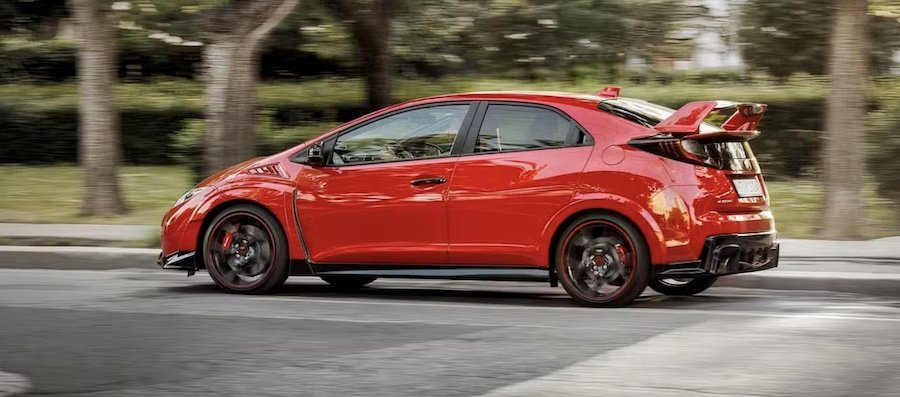
Ewan Valentine, 36, from Solihull, had his car stolen on the 28th of February. It was a 2016 example of the fourth-generation Civic Type R, a model that was never sold in the U.S. - Americans had to wait until the fifth-generation Civic Type R launched in 2017.
After contacting the police and eventually claiming his insurance, Valentine began searching for a replacement. He soon found a black example located just 70 miles away, complete with the same aftermarket exhaust he had previously installed.
Clues Soon Started Cropping Up
However, the car had new keys, different plates, altered mileage, and a different physical VIN that, after a quick search, came up clean. Surely this wasn't his car. As a result, Valentine quickly purchased it. But once he brought it home, clues began to emerge suggesting it was his stolen vehicle. These included an old tent peg and some Christmas tree pine needles in the trunk, and the locking wheel nut stored in a Tesco sandwich bag. Upon checking the navigation system’s history, Valentine found both his own and his parents’ addresses stored in the system.
In an interview with the BBC, Valentine said he then took the car to a local Honda dealership to meet with a technician and the police. The technician tested Valentine’s original physical key located within a key fob that the thieves didn't take and confirmed that it worked. He also identified areas where the original VIN had been removed and replaced. However, electronic systems such as the ECU still displayed the original VIN. Valentine told the BBC he believed the dealership that sold him the car had most likely also been deceived.
As of now, no arrests have been made, and the insurance company is still determining how to handle the situation.
We Have Questions
This is obviously a very unfortunate situation, and we feel terrible for the man. But we also have to wonder why he didn't thoroughly inspect the car before purchase. For example, the miscellaneous wrappers and odd items found in the car sound like the sorts of things a dealership ought to have removed before sale, and we can't help but wonder why the littered interior didn't stand out sooner. And why didn't the dealer clean the car out before the sale?
Why didn't the buyer recognize his own car better? Surely there would have been minor imperfections on the body or in the cabin that would have seemed familiar, right? Regardless, this story goes to show that even a dealership can easily be scammed, so always inspect a potential purchase thoroughly before committing.
