Stellantis Promises More Fun Cars After Pulling Out Of Major Motorsport Championships
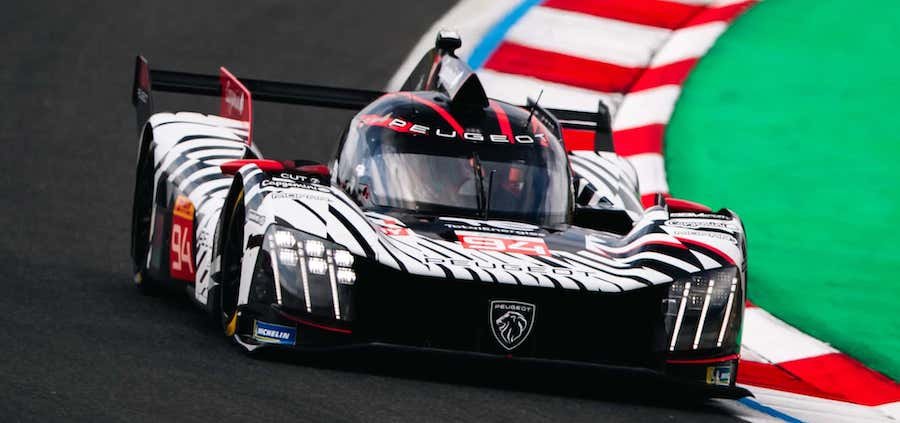
Stellantis is making a rather interesting trade-off: fewer factory-backed racing programs in exchange for more exciting road cars. The automotive giant has announced plans to end its involvement in the FIA World Endurance Championship (WEC) and Formula E, promising to redirect those resources toward customer racing and high-performance vehicle development.
In other words, the company wants to spend less time chasing trophies and more time building cars enthusiasts might actually want to drive. That's an intriguing proposition from a conglomerate overseeing brands such as Alfa Romeo, Peugeot, Lancia, Opel, and Maserati, all of which have plenty of performance heritage to draw from.
There is, of course, a catch. Stellantis isn't simply scaling back its motorsport operations. It's effectively ending its official participation at the FIA World Championship level, with Peugeot's WEC program concluding by the end of 2026 and its Formula E efforts involving Citroën and Opel following after Season 13, which ends in the summer of 2027.
Stellantis Wants To Turn Racing Expertise Into More Exciting Road Cars
The decision marks a significant change in direction for Stellantis Motorsport, but the company insists its competition expertise won't go to waste. Instead, it wants to apply that knowledge to products customers can actually buy.
The biggest potential winners are the brands with established performance sub-brands. Stellantis specifically mentions continued development of exclusive high-performance models for Alfa Romeo and Maserati, alongside Veloce, GTi, HF, and GSE derivatives for Alfa Romeo, Peugeot, Lancia, and Opel, respectively.
That's encouraging news for enthusiasts who feared the group's financial troubles might lead to further cuts to its more interesting products. Peugeot could get more GTi-badged models, Lancia has room to build on the Ypsilon HF, and Opel could expand its GSE lineup. Alfa Romeo and Maserati, meanwhile, could benefit from more expensive, exclusive performance models.
All of this falls under the FaSTLAne 2030 strategy, which calls for 50 product launches and updates in Europe over five years, including 25 entirely new models. Stellantis is essentially betting that investing in showroom products will deliver more value than maintaining expensive factory racing programs.
Motorsport Isn't Going Away Entirely
To be clear, Stellantis isn't abandoning competition altogether. Customer racing will remain a priority, with the company planning to build on its existing multi-brand rally-car business. That's a more commercially focused approach, allowing private teams and customers to buy competition machinery without Stellantis having to bankroll factory entries in expensive world championships.
The company also says it intends to retain and redeploy employees affected by the decision, finding them positions in customer racing, performance vehicle development, and other areas of its business.
Still, pulling out of WEC and Formula E represents a significant retreat. Peugeot's 9X8 will no longer compete in endurance racing, while Citroën and Opel will finish their Formula E commitments after the 2027 season. Stellantis is walking away from two major international championships at a time when motorsport remains an important marketing tool for several of its brands.
The real test will be whether the promised road cars make up for the loss of factory racing programs. More Quadrifoglio models, proper GTi hot hatches, HF derivatives, and exciting Maseratis would certainly make the decision easier to swallow. But enthusiasts have heard plenty of promises before. Stellantis now needs to turn its motorsport expertise into something more tangible than another corporate strategy presentation.
Related News
