Volkswagen's EV Orders Are Beating Gas Cars In Germany, But That Creates A Problem
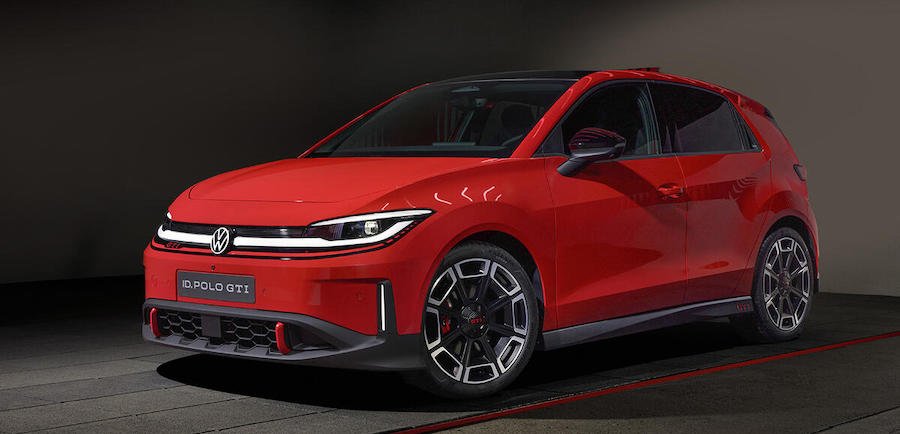
Volkswagen has a rather interesting problem on its hands. Electric car demand in Germany has picked up so much that the automaker is now receiving more orders for pure EVs than combustion-powered cars. You'd think that would be cause for celebration, especially after years of struggling to convince customers to go electric. Instead, VW is canceling planned extra shifts at its massive Wolfsburg factory.
According to Automobilwoche, the automaker is adjusting production because the shift in customer demand has happened faster than expected. In other words, VW has found itself in the unusual position of having too much capacity for ICE-powered cars as more customers switch to EVs.
At Wolfsburg, aka “the heart of the VW brand,” planned additional shifts are being scrapped. That means the factory is expected to produce around 580,000 vehicles this year rather than exceeding 600,000. The 88-year-old plant produces the Golf, Tiguan, and Tayron. As a refresher, later in 2027, production of the Golf will move to Mexico's Puebla plant. Yes, the Golf will no longer be made in Germany.
EV Demand Is Rising, But It's Complicated
Meanwhile, VW plans at least two extra shifts in Emden to increase production of the midsize ID.7 liftback and wagon. Zwickau is also benefiting from stronger demand for the ID.3 Neo, the new name for the company’s compact rear-wheel-drive-based hatchback. But the biggest star in the EV range right now is the new ID. Polo, which has already racked up more than 40,000 orders across Europe. Made in Spain, the subcompact hatch just won the Budget category at the German Car of the Year (GCOTY), beating Renault’s Twingo and Clio.
VW spent years trying to make EVs work while customers complained about high prices and limited choice. Now the company finally has a batch of smaller, more affordable electric cars arriving as demand for EVs gains traction in Germany. Of course, rising fuel prices are also accelerating the switch to purely electric vehicles.
But VW is unlikely to be thrilled, as selling more EVs doesn't automatically mean making more money. Profit margins remain smaller than those of a comparable ICE car. That's particularly awkward for a company in the middle of a historic cost-cutting program.
Downsizing Production Footprint
The manufacturing implications are significant, considering an EV has fewer mechanical components than a combustion car and generally requires less labor to assemble. That means VW can't simply replace every combustion vehicle with an EV and expect the existing German production footprint to remain fully utilized.
That's one reason the company's transition is so painful for its German factories. VW has already announced plans to reduce capacity and employment as part of its restructuring, while the company continues shifting investment toward electric vehicles. With an even cheaper EV launching next year, the ID. up! (name not confirmed) should convince even more people to make the switch to EVs.
That said, the irony is hard to miss. VW desperately needs its EV business to grow. It is now growing. But the faster the market shifts toward EVs, the more pressure factories designed around the combustion engine will face. And Wolfsburg sits right in the middle of that transition, at least until the confirmed electric Golf and T-Roc hit the assembly line in Wolfsburg in the next few years.
For now, though, the largest VW factory is still building gasoline-powered cars, and that's the part of the business German customers seem increasingly less interested in.
Related News
